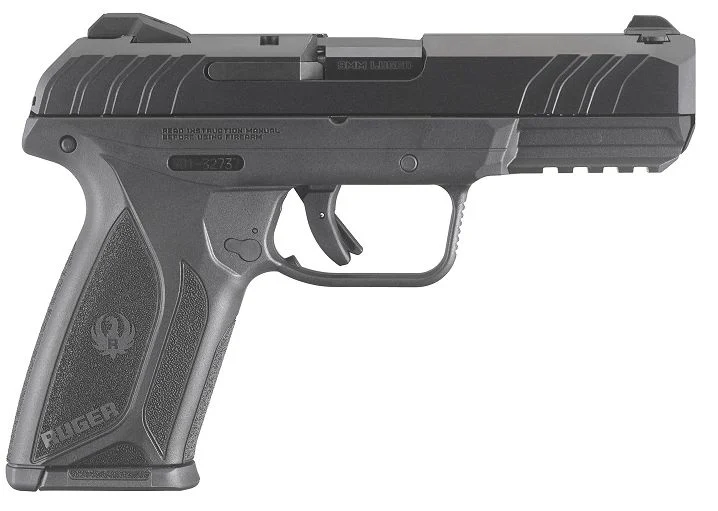
FFL Pickup Checklist: From Online Order to Taking Your Firearm Home
Buying a firearm online is a routine, legal process in the United States, but it has a few steps that store buyers never see. The firearm does not ship to your home. It ships to a federally licensed dealer, called an FFL, who hands it to you after the same paperwork and background check you would face at a gun counter. This checklist follows the order you will meet each step.
Step 1: Check your state rules first
Federal law sets the baseline in every state: a dealer may sell a handgun only to a buyer 21 or older and a rifle or shotgun to a buyer 18 or older, and every dealer sale needs ATF Form 4473 and a background check. States can add more:
- Some require a purchase permit or license, especially for handguns.
- Some have a waiting period between the sale and the day you can take the firearm home.
- Some raise the age limit or restrict certain rifles or magazines.
- Some run their own background check instead of, or in addition to, the FBI system.
Our city pages under gun shop locations summarize the rules for each featured state. When in doubt, ask the dealer who will do your transfer; they deal with state rules every day.
Step 2: Choose an FFL dealer
- Pick a gun store, pawn shop or home-based dealer close to where you live. The dealer must be in your state of residence for a handgun.
- Call ahead and ask whether they accept transfers from online sellers, what the transfer fee is, and their hours.
- Ask whether they need anything from you before the shipment arrives, such as your name on a list or a copy of the order.
Step 3: Place your order
Add the firearm to your cart in our shop and choose your dealer at checkout. Use your legal name exactly as it appears on your ID, because the dealer must match the shipment to you. The dealer's license must be on file before the firearm ships.
Step 4: Wait for the call
Once the package arrives, the dealer logs the firearm into their records and contacts you. Keep your order confirmation handy. Many dealers hold a transfer for a limited time and some charge storage after that, so pick up promptly.
Step 5: What to bring
- A current government-issued photo ID, such as a driver's license, that shows your current home address.
- If your ID does not show your current address, a second government document that does, such as a vehicle registration or property tax record.
- Any state permit or license your state requires for the purchase.
- Payment for the transfer fee and any state fees.
Step 6: Fill out ATF Form 4473
Form 4473 is the federal firearms transaction record. You complete the buyer section yourself, in your own words, and the dealer completes the rest. Take your time with it.
- Answer every question truthfully. A false answer on the form is a federal crime.
- Read the question about being the actual buyer carefully. Buying a firearm for someone who cannot legally buy it, or who asked you to buy it for them, is illegal.
- Use your full legal name and current residence address.
- If you make a mistake, ask the dealer how to correct it. Do not scribble over answers.
Step 7: The background check
The dealer submits your information to the FBI's National Instant Criminal Background Check System (NICS), or to the state agency in states that run their own checks. You will get one of three answers:
- Proceed: the transfer can go ahead, subject to any state waiting period.
- Delayed: the system needs more time. Under federal law, if no final answer comes within three business days, a dealer may transfer the firearm, but the dealer does not have to, and some state laws are stricter. For buyers under 21, federal law allows a longer review period for records checks.
- Denied: the transfer cannot go ahead. You can appeal a NICS denial and ask for the reason.
If you are delayed often because your name matches someone else's records, you can apply for a Unique Personal Identification Number (UPIN) through the FBI's voluntary appeal file. In some states, a qualifying carry permit also stands in for the NICS check at purchase.
Step 8: Waiting periods
A number of states require a waiting period before you can take the firearm home, and some counties within certain states can add one. The length and which firearms it covers differ by state. Your dealer will know the local rule and will tell you when you can come back.
Step 9: Take it home safely
- Transport the firearm unloaded and cased, and follow your state's rules for carrying it in a vehicle.
- Inspect the firearm before you leave the counter and ask the dealer to note any shipping damage.
- Keep your paperwork and receipt.
- Store it locked when not in use. Several states require secure storage, especially around children.
Ammunition, optics and parts
Items that are not firearms under federal law, including most ammunition, magazines, optics, lights and parts, generally ship directly to you where state and local law allows. A few states and cities limit ammunition or magazine deliveries or require a check, so read your state's rules before you order.
Common problems and how to avoid them
- Name mismatch: order in the same name that appears on your ID.
- Out-of-state dealer: handguns must go to a dealer in your home state.
- Old address on ID: bring a supporting government document.
- Dealer will not accept transfers: confirm before you order, not after.
Quick checklist
- State rules checked, permit in hand if needed.
- Dealer chosen, fee and hours confirmed.
- Order placed in your legal name with that dealer selected.
- Photo ID with current address, plus supporting document if needed.
- Form 4473 completed honestly, background check passed, waiting period observed.
Before you order, you may find it useful to read the AR-15 buying guide, the duty pistol guide and the rifle optics guide. For models launched this year, see the 2026 new releases roundup. This page is general information, not legal advice, and laws change.
General information, not legal advice. Current as of September 2026. Laws change; check the official source before you act.