Duty and Carry Pistol Guide: Choosing a Handgun You Will Carry
A duty or carry pistol has a simple job description: it must work every time, fit your hand, and be comfortable enough that you actually carry it. Police agencies and armed professionals tend to choose from a short list of proven models for that reason. Private buyers can learn a lot from how those agencies pick handguns, even if their daily needs are different. This guide covers size classes, sights and optics, weapon lights, holsters and the paperwork side of buying a handgun online.
Size classes
Handgun makers use loose size names, so compare actual measurements. In general:
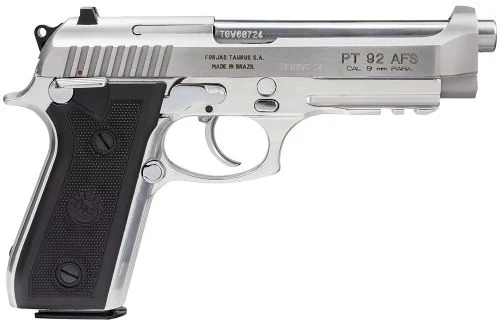
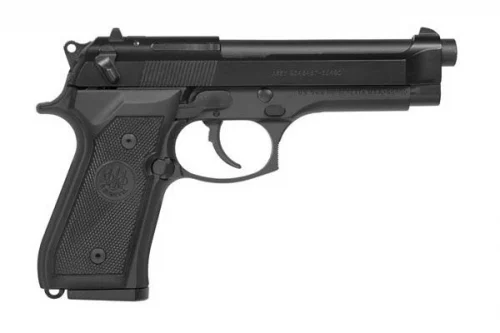
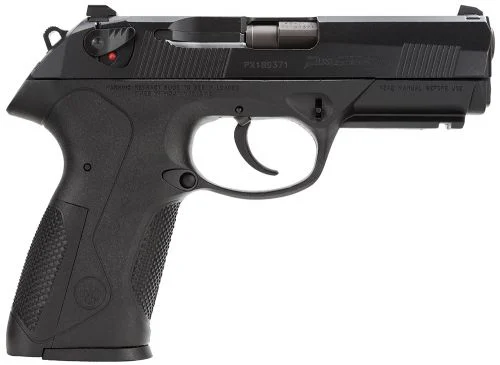
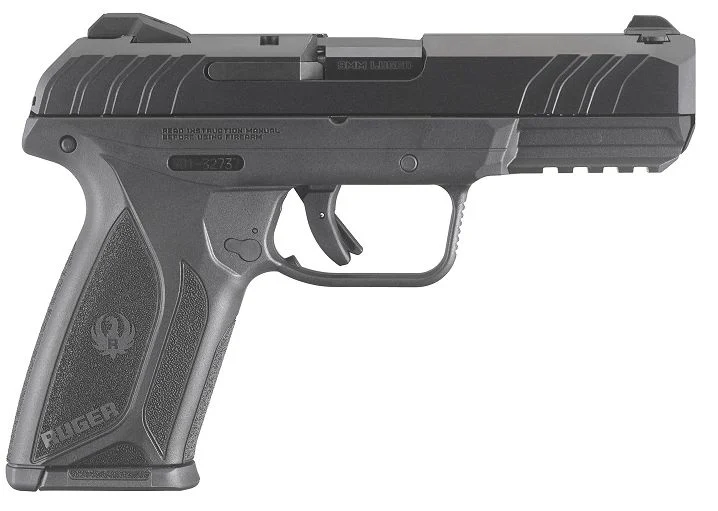
- Full-size: barrels around 4.5 to 5 inches and grips that take 17 rounds or more of 9mm. Easiest to shoot well and the standard for uniformed duty, harder to conceal.
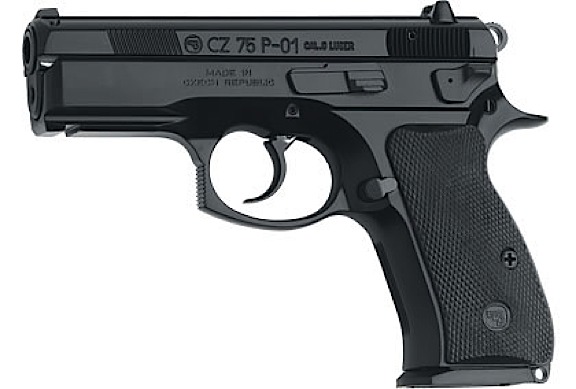
- Compact: barrels around 4 inches with slightly shorter grips. A popular balance for plainclothes duty and concealed carry under a jacket or untucked shirt.
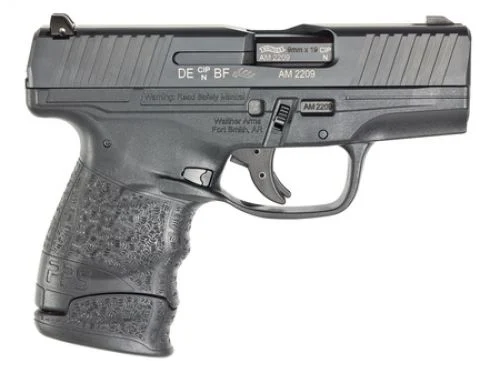
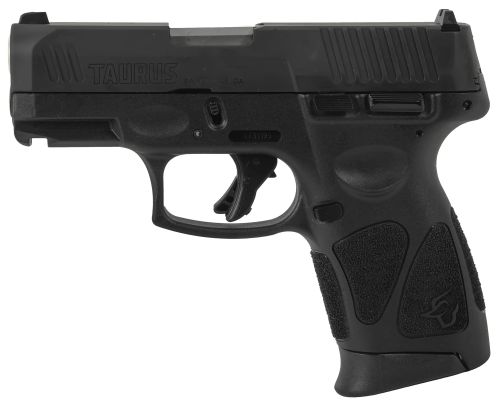
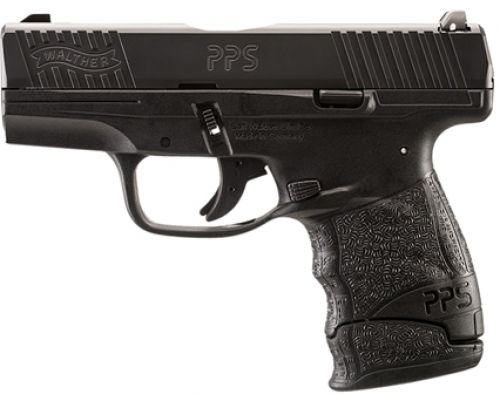
- Subcompact and micro-compact: short barrels and grips, often 10 to 15 rounds. Very easy to carry, but the short sight radius and small grip make them harder to shoot fast and accurately.
- Crossover: a full-length slide on a shorter grip, or the reverse. The grip length affects concealment most; slide length affects shooting feel more.
If you are unsure, pick the largest pistol you will really carry every day. A pistol left at home does not help you.
Caliber
Most agencies in the United States have moved to 9mm. Modern defensive loads perform well in testing, recoil is manageable, magazines hold more rounds, and practice ammunition costs less. The .40 S&W and .45 ACP still work and some departments keep them, but 9mm is the default recommendation for a new buyer.
Fit and controls
- With a proper grip, your trigger finger should reach the trigger face without shifting your hand.
- Check that you can reach the slide stop and magazine release, or that you can operate them with a minor change of grip.
- Decide whether you want a manual safety. Many striker-fired duty pistols have none; some models offer one as an option.
- Look for interchangeable backstraps if your hands are larger or smaller than average.
Optic-ready slides
Most new duty pistols come with a slide cut for a miniature red dot, often sold as optics-ready or MOS. A pistol optic helps many shooters focus on the target and makes shots at longer distances easier. It also takes practice to find the dot quickly on the draw.
- Footprint: slides are cut for specific mounting patterns, and different optics use different ones. Some pistols use adapter plates. Confirm the footprint before you buy an optic.
- Enclosed or open emitter: enclosed emitters resist rain, lint and debris, which is why they are growing in popularity for duty use. Open emitters are lighter and slimmer.
- Backup sights: taller sights that co-witness through the optic window give you a way to aim if the optic fails.
Weapon lights
A weapon-mounted light lets you identify what you are pointing at in the dark, which is a basic safety rule, not an accessory. Most duty pistols have an accessory rail under the barrel.
- Full-size lights produce more light and usually more candela, which helps light reach down a hallway or across a parking lot.
- Compact lights fit smaller pistols and are easier to conceal, at some cost in output and battery life.
- Choose a light whose activation paddle or button you can work with your normal firing grip, and train with it.
- A light changes the holster you need. Buy the holster for the exact pistol, light and optic combination.
Carry a separate handheld flashlight as well. You should not use a pistol light to search for keys or check who is at the door.
Holsters
A good holster covers the trigger guard completely, holds the pistol securely, and lets you draw and reholster with one hand. For duty use, many agencies require a holster with an active retention device. For concealed carry, a rigid inside-the-waistband holster on a proper gun belt is the most common setup. Avoid soft holsters that collapse after the draw and never carry a pistol loose in a pocket or bag without a holster that covers the trigger.
Reliability and support
Choose a model with a long service record, easy access to spare magazines and parts, and plenty of holster options. Proven duty pistols also have deep aftermarket support, which matters when you want to add night sights, a light or an optic later. Once you buy, put a few hundred rounds of practice and defensive ammunition through the pistol before you trust it for carry.
Buying a handgun online
Federal law requires a buyer to be 21 to buy a handgun from a licensed dealer. When you order a pistol from our shop, it ships to a licensed FFL dealer you choose, and you complete ATF Form 4473 and a background check there. Federal law also says a handgun bought across state lines must be transferred through a dealer in the buyer's home state. Our FFL pickup checklist walks through the process, and the city pages under gun shop locations explain carry permits and purchase rules in each featured state.
Carry law basics
Carry rules are set by each state. Many states allow permitless carry for eligible adults, while others require a license from a sheriff, a court or a state agency. Even in permitless states, a permit can help when traveling to states that honor it. Rules on schools, courthouses, federal buildings and posted private property apply almost everywhere, so learn them before you carry.
Training
Plan to spend time and money on training. A basic class covers safe handling, the draw, and shooting under some time pressure. A low-light class shows you how to use a weapon light well. Dry-fire practice at home with an unloaded pistol and no ammunition in the room builds skill at no cost. If you also keep a rifle for home defense, our AR-15 buying guide and rifle optics guide cover that side, and the 2026 new releases roundup lists pistols introduced this year.
General information, not legal advice. Current as of September 2026. Laws change; check the official source before you act.